How to Become an Addiction Counselor: Education, Certification, and Career Paths
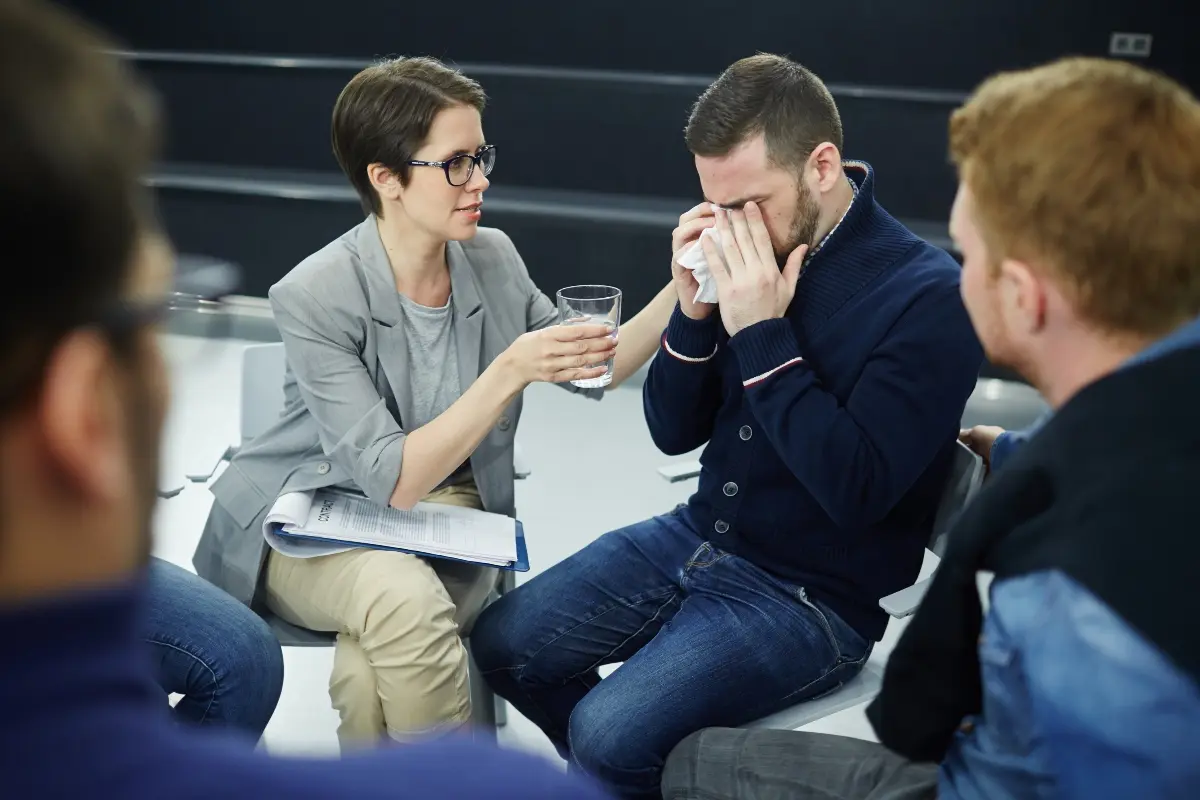
The field of addiction counseling offers a meaningful career path for those passionate about helping others overcome substance abuse challenges. If you’re wondering how to become an addiction counselor, you’re exploring a profession that makes a real difference in people’s lives every single day.
Addiction counselors work with individuals, families, and groups affected by drug and alcohol dependencies. They provide support, guidance, and therapeutic interventions to help clients achieve and maintain sobriety.
This rewarding career combines compassion with clinical expertise to address one of society’s most pressing health concerns.
Understanding the Role of an Addiction Counselor
Addiction counselors serve as lifelines for people struggling with substance abuse disorders. These professionals assess clients’ needs, develop treatment plans, and provide ongoing support throughout the recovery process.
The daily responsibilities include conducting individual and group therapy sessions, maintaining detailed client records, and collaborating with other healthcare professionals. Counselors also educate clients about addiction, teach coping strategies, and help them rebuild their lives in recovery.
Many addiction counselors work in rehabilitation centers, outpatient clinics, hospitals, or private practice settings. Some specialize in specific populations like adolescents, veterans, or individuals with co-occurring mental health disorders.
The emotional rewards of this career are substantial. Watching someone transform their life and reconnect with family members creates lasting job satisfaction that few other professions can match.
Educational Requirements for Addiction Counseling
Most states require addiction counselors to hold at least a bachelor’s degree, though the specific field of study can vary. Common undergraduate majors include psychology, social work, counseling, or human services.
A bachelor’s degree in psychology provides foundational knowledge about human behavior, mental health disorders, and research methods. Social work programs emphasize community resources, case management, and advocacy skills that prove valuable in addiction treatment settings.
Some counselors pursue a bachelor’s degree specifically in addiction counseling or substance abuse studies. These specialized programs focus directly on addiction science, treatment modalities, and recovery principles from the start.
Graduate education, while not always required, significantly enhances career prospects and earning potential. Master’s degree programs in clinical mental health counseling, addiction counseling, or related fields provide advanced training in assessment, diagnosis, and therapeutic techniques.
Graduate coursework typically covers topics like pharmacology of addictive substances, family systems therapy, trauma-informed care, and evidence-based treatment approaches. Students also gain hands-on experience through supervised clinical internships.
Certification and Licensing Requirements
After completing the educational requirements, aspiring addiction counselors must obtain the necessary certification and licensing. Requirements vary significantly by state, so research your specific location’s regulations carefully.
Most states require candidates to pass a certification exam administered by organizations like the National Certification Commission for Addiction Professionals (NCCAP) or similar state-specific boards.
The Certified Addiction Counselor (CAC) credential is widely recognized across the United States. To qualify, candidates typically need a combination of education, supervised work experience, and examination success.
Supervised clinical experience requirements range from 1,000 to 4,000 hours, depending on your state and educational background. This hands-on training occurs under the guidance of licensed professionals in approved treatment facilities.
Some states offer multiple certification levels, allowing counselors to advance their credentials as they gain experience. Higher-level certifications often require additional education and more extensive supervised practice hours.
Continuing education requirements ensure counselors stay current with evolving treatment methods and professional standards. Most certifications require 20-40 hours of approved training annually to maintain active status.

Step-by-Step Guide: How to Become an Addiction Counselor
Here’s a practical roadmap for becoming an addictions counselor:
- Complete your bachelor’s degree in psychology, social work, or a related field
- Research state-specific requirements for certification and licensing in your area
- Gain relevant experience through internships, volunteer work, or entry-level positions
- Apply for certification with your state’s regulatory board or professional organization
- Complete supervised clinical hours under a licensed addiction counselor
- Pass the required certification exam to demonstrate your knowledge and competency
- Apply for state licensure if required in your jurisdiction
- Pursue continuing education to maintain your credentials and expand your skills
- Consider specialization in areas like adolescent treatment or co-occurring disorders
- Network with professionals to build relationships and discover career opportunities
This process typically takes 3-5 years, depending on your educational path and state requirements. Some people complete it faster with intensive programs, while others take longer if they’re working while pursuing their education.
Different Educational Pathways
Several educational routes can lead to a career in addiction counseling. The path you choose depends on your current situation, career goals, and available time and resources.
Traditional four-year degree programs: They provide a comprehensive foundation of knowledge. Students learn about human development, abnormal psychology, research methods, and basic counseling techniques over eight semesters.
Accelerated bachelor’s programs: Accelerated programs compress the same content into shorter timeframes, often 18-24 months. These intensive options work well for motivated students who can commit to full-time study.
Associate degree programs: Associate degree programs in addiction counseling or human services offer entry-level preparation. Graduates can often find positions as addiction counseling assistants while pursuing additional education.
Certificate programs provide focused training for career changers or those seeking specialization. These concentrated courses typically last 6-12 months and cover essential addiction counseling competencies.
Online degree programs: Online addiction counseling programs offer flexibility for working adults or those in rural areas. Accredited online programs maintain the same academic rigor as traditional classroom-based education.
Specialization Areas in Addiction Counseling
The field offers numerous specialization opportunities that allow counselors to focus on specific populations or treatment approaches. These specializations often require additional training but can lead to higher salaries and more fulfilling careers.
Adolescent addiction counseling focuses on teenagers struggling with substance abuse. This specialty requires understanding developmental psychology and family dynamics that influence teen behavior.
Dual diagnosis treatment addresses clients with both addiction and mental health disorders. Counselors need extensive knowledge of psychiatric conditions and how they interact with substance abuse.
Family counseling helps repair relationships damaged by addiction. Family support has a pivotal role in overcoming addiction, and these specialists facilitate communication between family members and teach healthy coping strategies for everyone affected.
Veterans’ addiction services address the unique challenges faced by military personnel. Trauma-informed care and understanding of military culture are essential components of this specialization.
Gambling addiction counseling targets behavioral addictions rather than substance abuse. These counselors understand the psychological mechanisms behind compulsive gambling and related behaviors.
Career Prospects and Work Environments
| Work Setting | Average Salary Range | Typical Benefits | Growth Outlook |
|---|---|---|---|
| Rehabilitation Centers | $35,000 – $55,000 | Health insurance, retirement plans | Excellent |
| Outpatient Clinics | $32,000 – $50,000 | Flexible schedules, professional development | Very Good |
| Hospitals | $40,000 – $65,000 | Comprehensive benefits, job security | Good |
| Private Practice | $45,000 – $80,000+ | Autonomy, flexible hours | Excellent |
| Government Agencies | $38,000 – $58,000 | Pension plans, job stability | Stable |
| Correctional Facilities | $35,000 – $52,000 | State benefits, specialized experience | Good |
Source: Salary ranges are based on data from the U.S. Bureau of Labor Statistics (BLS) Occupational Outlook Handbook — Substance Abuse, Behavioral Disorder, and Mental Health Counselors (May 2024). The national median annual wage is $59,190, with employment projected to grow 17% from 2024 to 2034 — much faster than average for all occupations. Actual compensation varies by location, education, experience, and employer type.
The addiction counseling field continues to expand as society recognizes addiction as a medical condition requiring professional treatment. The opioid crisis has particularly increased demand for qualified counselors across all treatment settings.
Career advancement opportunities include supervisory roles, program management positions, and clinical director responsibilities. Experienced counselors often transition into training new professionals or developing treatment programs.
Skills and Qualities for Success
Successful addiction counselors possess a unique combination of professional skills and personal qualities. Strong communication abilities are essential for building rapport with clients and facilitating effective therapy sessions.

Empathy and compassion help counselors connect with clients facing difficult circumstances. However, maintaining professional boundaries prevents emotional burnout and ensures therapeutic relationships remain helpful.
Cultural competency becomes increasingly important as counselors work with diverse populations. Understanding how cultural backgrounds influence attitudes toward addiction and treatment improves client outcomes.
Crisis intervention skills prepare counselors for emergency situations like overdoses or suicide threats. Quick thinking and calm responses can literally save lives in these critical moments.
Documentation and record-keeping abilities ensure compliance with legal requirements and treatment continuity. Accurate notes support treatment planning and help other professionals understand client progress.
Patience and persistence serve counselors well since addiction recovery often involves setbacks and relapses. Maintaining hope and motivation helps clients continue working toward sobriety despite challenges.
Challenges and Rewards of the Profession
Working as an addiction counselor presents both significant challenges and profound rewards. Understanding these aspects helps potential counselors make informed career decisions.
High stress levels come with the territory as counselors regularly encounter clients in crisis situations. Learning effective stress management techniques and seeking personal therapy when needed protects the counselor’s well-being.
Emotional exhaustion can result from consistently supporting people through traumatic experiences. Regular supervision, peer support, and self-care practices help prevent compassion fatigue and burnout.
Safety concerns occasionally arise when working with clients under the influence or experiencing withdrawal symptoms. Proper training in de-escalation techniques and workplace safety protocols minimizes these risks.
The rewards, however, often outweigh these challenges. Witnessing clients achieve sobriety and rebuild their lives provides immense job satisfaction that sustains many counselors throughout their careers.
Building meaningful relationships with clients and their families creates lasting professional fulfillment. Many counselors report that client success stories motivate them through difficult days.
Contributing to community health and safety gives counselors a sense of purpose beyond individual client relationships. Reducing addiction rates benefits entire communities and future generations.
Professional Development and Continuing Education
The addiction counseling field evolves constantly as researchers discover new treatment methods and understand addiction mechanisms better. Staying current requires ongoing professional development throughout your career.
Professional associations like the National Association for Addiction Professionals (NAADAC) offer conferences, workshops, and online training opportunities. These events provide continuing education credits while connecting counselors with colleagues.
Specialty certifications in areas such as motivational interviewing, cognitive-behavioral therapy, or trauma treatment enhance counselors’ effectiveness. These additional credentials often lead to salary increases and expanded job opportunities.
Supervision and mentorship relationships support professional growth and provide guidance for challenging cases. Experienced counselors share practical wisdom that textbooks cannot teach.
Research participation allows counselors to contribute to the field’s knowledge base while learning about cutting-edge treatment approaches. Some counselors pursue doctoral degrees to become researchers themselves.
Getting Started in Your Career
Beginning your journey toward becoming an addictions counselor requires careful planning and realistic expectations. Start by researching educational programs in your area and their admission requirements.
Contact local treatment centers to inquire about volunteer opportunities or entry-level positions. This hands-on experience helps you understand the field while building professional networks.
Consider informational interviews with practicing addiction counselors to learn about their career paths and daily experiences. Most professionals willingly share insights with motivated newcomers.
Financial planning becomes important since certification requirements often involve unpaid or low-paid supervised experience hours. Having savings or alternative income sources helps during this transition period.
Join professional organizations as a student member to access resources and networking opportunities early in your career. Building relationships within the field opens doors to future employment possibilities.
Conclusion
Becoming an addiction counselor requires dedication, education, and genuine compassion for helping others overcome life’s most challenging struggles.
The path involves completing educational requirements, obtaining proper certification, and gaining supervised clinical experience under qualified professionals.
This rewarding career offers opportunities to make meaningful differences in individual lives while contributing to broader community health and wellness.
Beal University US provides flexible online programs, offering dedicated faculty support, interactive learning resources, and practical training to help you build the expertise needed to pursue a successful career in addiction counseling.
If you’re ready to pursue this impactful profession, contact us to learn more about our programs and how we can help you achieve your career goals in this essential field.