Career Readiness Skills Every Student Should Develop

The modern job market moves faster than ever before. Employers today don’t just want candidates with degrees – they want professionals who can hit the ground running from day one. This shift has made career-readiness skills more important than traditional academic achievement alone.
At Beal University, we see firsthand how the right combination of technical knowledge and practical skills transforms students into job-ready professionals. Our accelerated programs focus on developing the specific capabilities that employers actively seek, helping students enter their chosen careers faster than traditional four-year programs allow.
But what exactly are these essential skills, and how can you develop them effectively? Let’s explore the key career-ready skills that every student should master to succeed in today’s competitive workplace.
Understanding Career Readiness in Today’s Market
Career-readiness skills form the foundation of professional success. These skills go beyond knowing facts or theories – they involve applying knowledge in real-world situations, communicating effectively with colleagues, and adapting to changing workplace demands.
The National Association of Colleges and Employers identifies several core competencies that employers value most. These include critical thinking, communication, teamwork, technology skills, professionalism, and leadership abilities.
We’ve structured our 32 programs across seven high-demand fields to address these exact competencies. Our 8-week course modules and six mini-semester structure allow students to develop these skills rapidly while maintaining the depth needed for professional excellence.
Essential Communication Skills for Career Success
Strong communication forms the backbone of every successful career. Whether you’re presenting ideas to a team, writing reports, or collaborating on projects, your ability to communicate clearly determines your professional impact.
Verbal communication skills include speaking confidently in meetings, presenting complex information clearly, and asking thoughtful questions. These abilities prove especially crucial in our Business and Health Sciences programs, where professionals regularly interact with clients, patients, and colleagues.
Written communication encompasses everything from professional emails to detailed project reports. In our Cybersecurity programs, students learn to document technical processes clearly, making complex security protocols understandable to non-technical stakeholders.
Digital communication has become equally important. Modern professionals must navigate video conferences, collaborative platforms, and social media professionally. Our hybrid learning format helps students master these digital communication tools naturally.
Problem-Solving and Critical Thinking Abilities
Employers consistently rank problem-solving among the most valuable career-ready skills. Every workplace faces challenges, and organizations need team members who can analyze situations, identify solutions, and implement effective strategies.
Critical thinking involves evaluating information objectively, questioning assumptions, and making reasoned decisions. These skills prove essential across all our program areas, from analyzing business data to troubleshooting technical systems.
Our hands-on learning approach gives students real opportunities to practice problem-solving. Rather than just studying theories, students work through actual scenarios they’ll encounter in their future careers.
The accelerated nature of our programs also builds natural problem-solving abilities. Students learn to process information quickly, prioritize tasks effectively, and find solutions under time constraints – exactly what modern workplaces demand.
Digital Literacy and Technology Skills
Technology shapes every industry today. Even careers that seem traditionally low-tech now require digital competencies. College and career-readiness skills must include comfort with various technology platforms and the ability to learn new systems quickly.
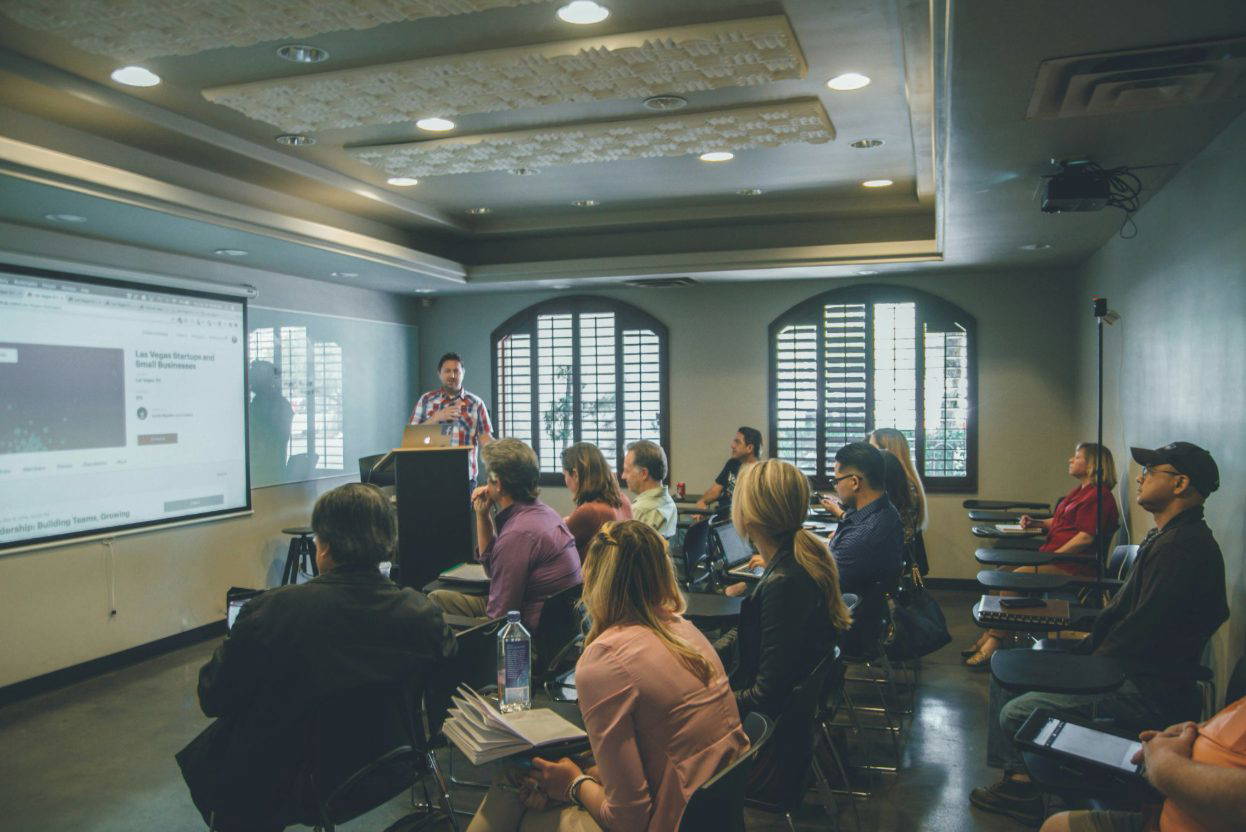
Basic digital literacy includes proficiency with common software applications, understanding cybersecurity principles, and using online collaboration tools. These skills form the foundation for more specialized technical abilities.
In our Cybersecurity programs, students develop advanced technical skills including network security, threat assessment, and incident response. But we also emphasize the communication and analytical skills needed to explain technical concepts to diverse audiences.
Our Health Sciences programs integrate electronic health records, telemedicine platforms, and diagnostic technologies. Students learn not just how to use these tools, but how to troubleshoot issues and adapt to system updates.
Adaptability and Continuous Learning
The modern workplace changes constantly. New technologies emerge, industry practices evolve, and job roles transform. Successful professionals embrace change and continuously develop new capabilities.
Adaptability means staying flexible when priorities shift, learning new processes quickly, and maintaining productivity during transitions. We build this skill throughout our programs by regularly updating course content and teaching methods.
Continuous learning involves seeking out new knowledge, staying current with industry trends, and proactively developing additional skills. Our accelerated format encourages this mindset by showing students how quickly they can master new competencies.
Industry-Specific Technical Competencies
While general career readiness skills provide a strong foundation, industry-specific technical skills often determine career advancement opportunities. Each field requires particular expertise that employers expect from qualified candidates.
The Five-Step Process for Developing Technical Skills
- Identify Core Requirements: Research job postings in your target field to understand which technical skills appear most frequently
- Start with Fundamentals: Master basic concepts before advancing to specialized applications
- Practice Regularly: Consistent hands-on practice builds confidence and competence
- Seek Feedback: Work with instructors and peers to identify improvement areas
- Stay Current: Follow industry publications and continue learning new developments
Our Nursing programs exemplify this approach. Students begin with fundamental patient care principles and progress through specialized areas such as medication administration, patient assessment, and electronic documentation systems.
In our Business programs, students start with core concepts like financial analysis and project management, then specialize in areas like digital marketing, operations management, or entrepreneurship.
Professional Skills That Set You Apart
Beyond technical abilities, certain professional skills distinguish outstanding employees from average performers. These career-ready skills often determine promotion opportunities and long-term career success.
Time management involves prioritizing tasks effectively, meeting deadlines consistently, and balancing multiple responsibilities. Our intensive program structure naturally develops these abilities as students manage coursework, projects, and often work commitments simultaneously.
Leadership skills matter at every career level, not just management positions. Strong employees take initiative, support colleagues, and contribute positively to team dynamics. We encourage leadership development through group projects and peer collaboration opportunities.
Professional ethics and integrity create trust with employers, colleagues, and clients. These qualities become especially important in fields such as Healthcare and Counseling, where professionals handle sensitive information and make decisions that affect others’ well-being.
Skills Comparison Across High-Demand Fields
| Field | Core Technical Skills | Key Soft Skills | Growth Outlook |
| Cybersecurity | Network security, threat analysis, incident response | Problem-solving, attention to detail, communication | 31% (2019-2029) |
| Health Sciences | Patient care, medical terminology, health informatics | Empathy, teamwork, adaptability | 15% (2019-2029) |
| Business | Data analysis, project management, digital marketing | Leadership, negotiation, strategic thinking | 5% (2019-2029) |
| Nursing | Clinical assessment, medication administration, patient education | Compassion, critical thinking, stress management | 7% (2019-2029) |
The Role of Hands-On Learning in Skill Development
Traditional classroom learning provides important theoretical knowledge, but hands-on experience transforms that knowledge into practical skills. Employers consistently prefer candidates who can demonstrate real-world application of their training.
Our online and hybrid formats incorporate extensive practical components. Students work with the same tools, software, and processes they’ll use in their careers. This approach builds confidence and competence simultaneously.
Project-based learning challenges students to integrate multiple skills while solving realistic problems. These experiences mirror actual workplace situations, preparing students for the complexity of professional environments.
Internships and clinical experiences provide additional hands-on learning opportunities. Students apply classroom knowledge in real workplace settings, often leading to job offers upon graduation.
Building Career Readiness Through Accelerated Programs
Our unique 8-week course modules create an intensive learning environment that rapidly builds college and career-readiness skills. This accelerated pace mirrors the fast-moving nature of modern workplaces.

Students learn to absorb information quickly, apply new concepts immediately, and adapt to changing requirements – exactly the skills employers value most. The compressed timeline also means students enter their chosen careers sooner, gaining professional experience while their peers continue traditional programs.
The six mini-semester structure allows for frequent assessment and adjustment. Students receive regular feedback on their progress, enabling quick corrections and continuous improvement.
Key Skills Employers Value Most
Modern employers consistently seek specific capabilities when evaluating candidates. Understanding these priorities helps students focus their development efforts effectively:
- Communication Excellence: Clear verbal and written communication across all professional contexts
- Technical Proficiency: Industry-specific skills plus general digital literacy
- Problem-Solving Ability: Analytical thinking and creative solution development
- Adaptability: Flexibility with changing priorities and new technologies
- Teamwork: Collaborative skills and positive interpersonal relationships
- Initiative: Self-motivation and proactive approach to challenges
- Professionalism: Reliability, ethics, and appropriate workplace behavior
Career Readiness Skill Development Timeline
| Timeline | Focus Areas | Key Activities | Expected Outcomes |
| Weeks 1-8 | Foundation Skills | Basic technical training, communication fundamentals | Core competency development |
| Weeks 9-16 | Applied Practice | Project work, case studies, skill integration | Practical application abilities |
| Weeks 17-24 | Specialization | Advanced technical skills, industry-specific training | Professional-level expertise |
| Weeks 25-32 | Career Preparation | Portfolio development, interview skills, job search strategies | Employment readiness |
Preparing for Immediate Workforce Entry
The goal of developing career readiness skills isn’t just academic success – it’s professional success from day one of employment. This preparation requires strategic focus on the specific capabilities your chosen field demands.
We align our programs with growing industries to ensure graduates possess relevant, current skills. Regular input from industry professionals keeps our curriculum up to date with the latest trends and requirements.
Career guidance and academic advising support help students understand how their developing skills translate to specific career opportunities. This guidance proves especially valuable as students approach graduation and job searching.
Our comprehensive student support services extend beyond technical training to include resume writing, interview preparation, and networking strategies. These services help students present their newly developed skills effectively to potential employers.
The Competitive Advantage of Accelerated Skill Development
Traditional four-year programs often struggle to keep pace with rapidly changing industry requirements. Our accelerated approach enables frequent curriculum updates and the immediate implementation of new industry standards.
Students benefit from this responsiveness by learning the most current practices and technologies. They enter the job market with up-to-date skills rather than outdated knowledge from slow-changing traditional curricula.
The intensive learning environment also builds resilience and stress-management skills. Students who successfully complete accelerated programs demonstrate they can handle demanding professional environments.
Measuring Your Career Readiness Progress
Developing career-ready skills requires ongoing assessment and adjustment. Regular evaluation helps identify strengths to leverage and areas needing additional development.
Self-assessment tools help students understand their current skill levels and track improvement over time. These assessments cover both technical competencies and soft skills essential for career success.
Faculty feedback provides a professional perspective on student progress. Instructors with industry experience offer valuable insights into how student skills compare to workplace expectations.
Peer feedback through group projects and collaboration opportunities provides additional perspectives on communication, teamwork, and leadership abilities.
Long-Term Career Development Strategies
Career readiness skills form the foundation for long-term professional success, but career development continues throughout your working life. The skills you develop during your education program should include the ability to continue learning and growing.
Industry networking begins during your studies and continues throughout your career. Building professional relationships provides opportunities for mentorship, collaboration, and career advancement.
Professional development through continuing education, certifications, and specialized training keeps your skills current and competitive. Many employers support ongoing employee education.
Start Building Your Career-Ready Future Today
The job market rewards candidates who possess both technical expertise and practical professional skills. Developing these career readiness skills through focused, accelerated programs gives you a significant competitive advantage.
At Beal University, we’ve designed our programs specifically to bridge the gap between academic learning and professional success. Our students graduate with the confidence and competence to excel in their chosen careers from day one.
Your career success starts with the right preparation. Don’t wait years to enter your chosen profession when you can develop the skills employers want in a fraction of the time.
Ready to start building your career-ready skill set? Contact us today to explore our programs and discover how our accelerated approach can fast-track your professional success.